Carbon removal
Carbon Sequestration and Grassland Restoration In India
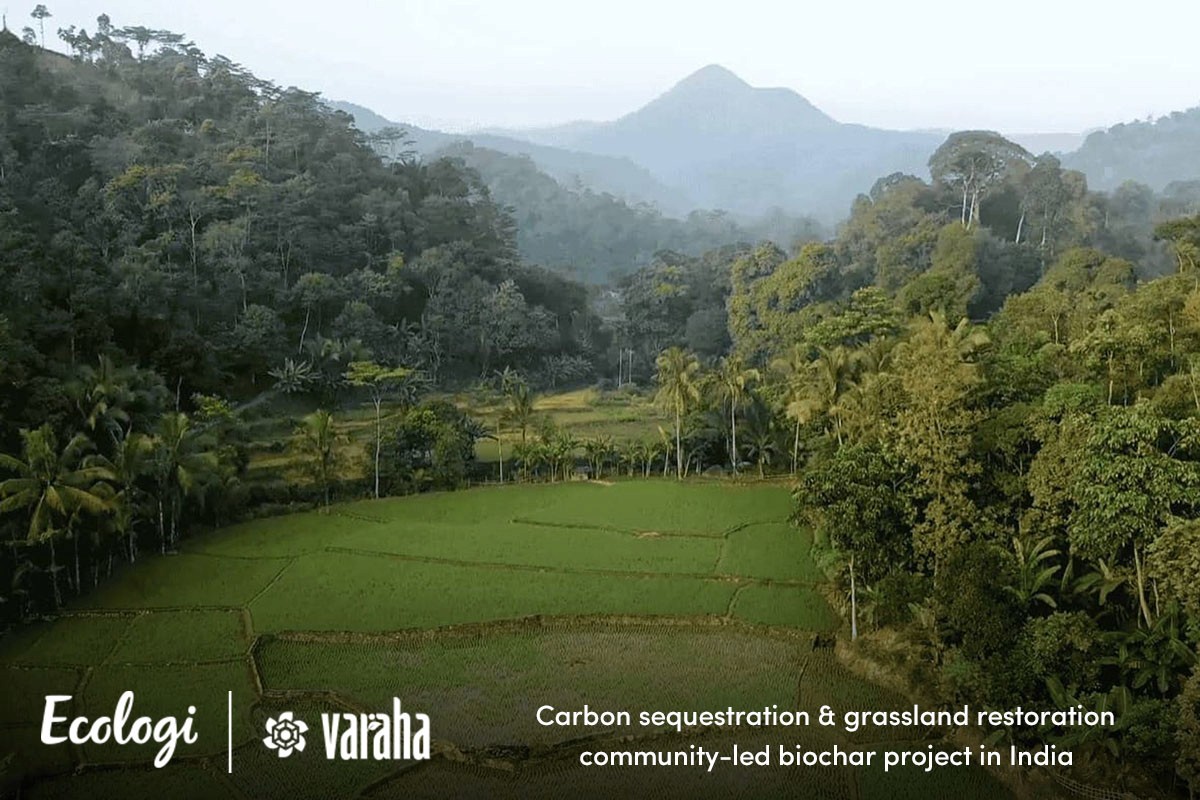
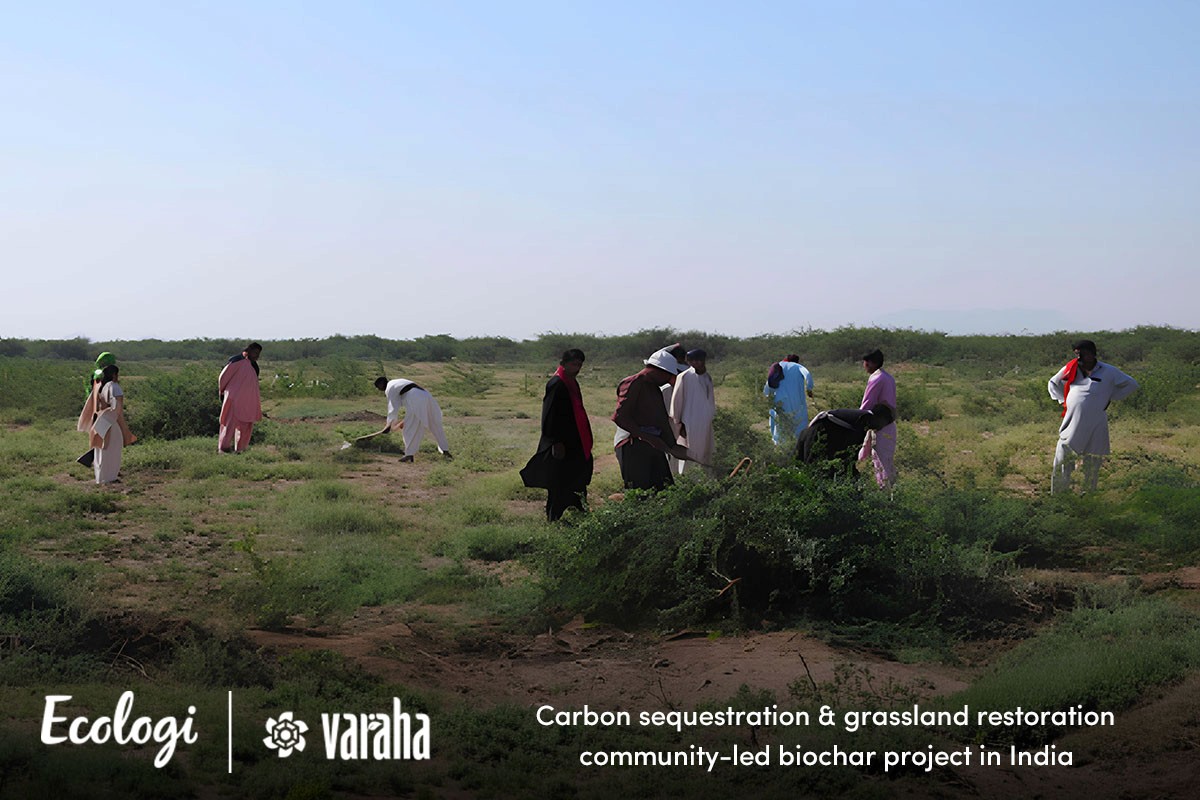
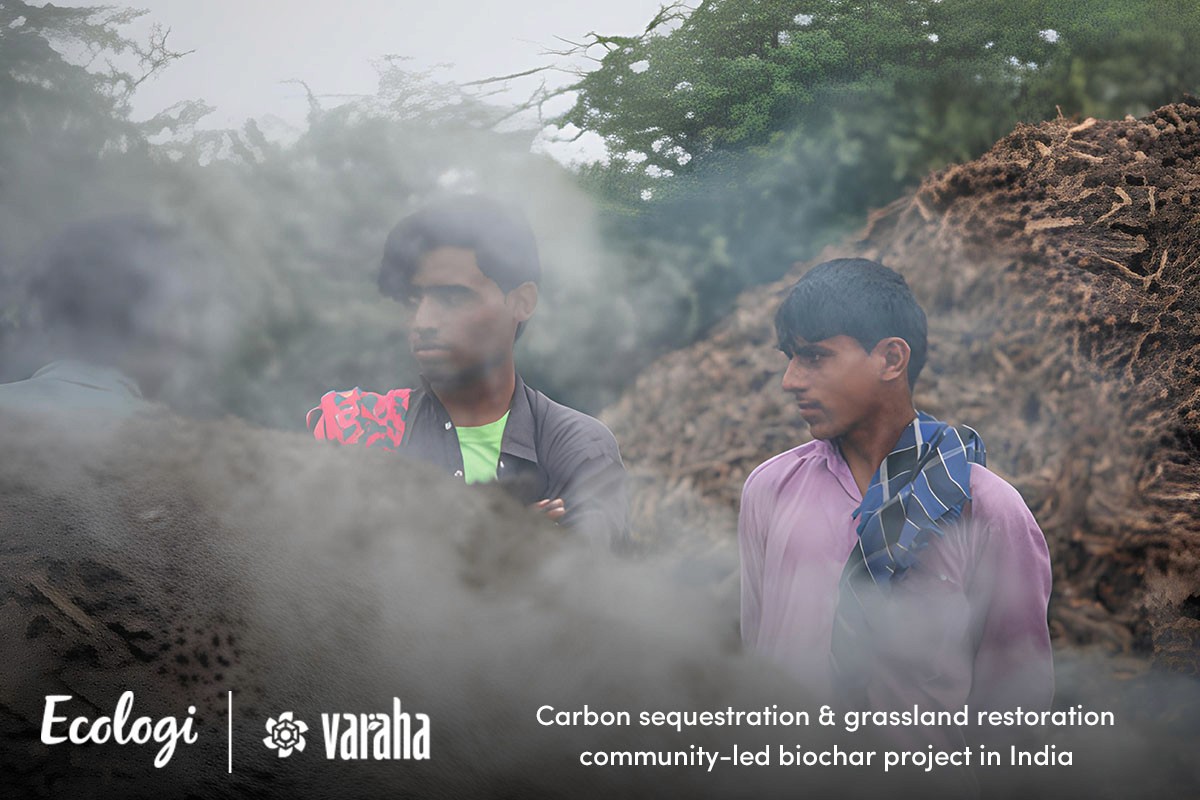
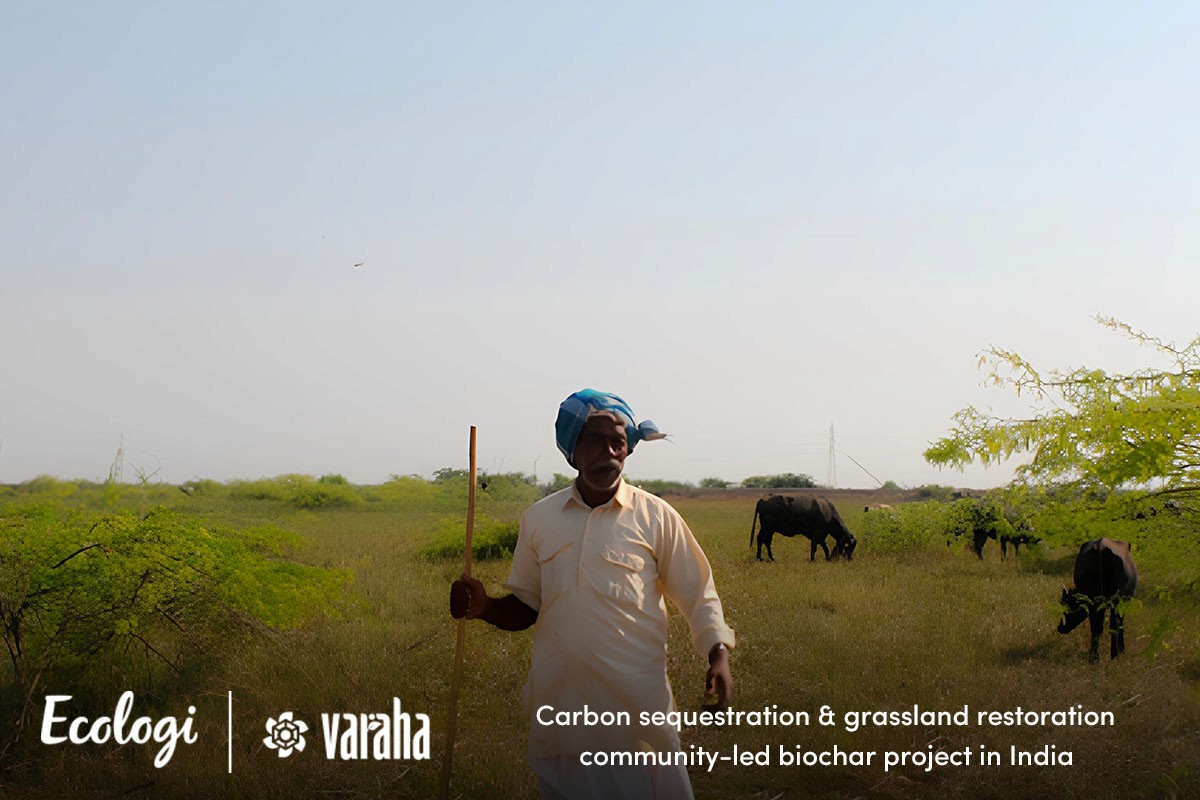
This community-led biochar project is one of the world’s largest, issuing ~15,000 tCO₂e per month with nearly 100,000 tCO₂e already delivered.
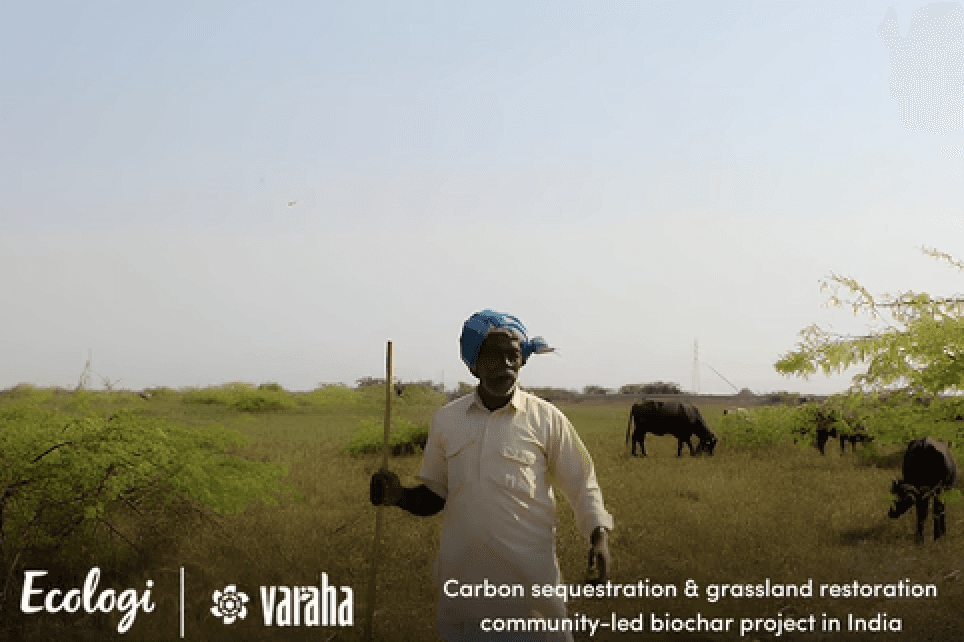
Utilising a sustainable source as feedstock is a critical component for effective and credible biochar projects. afterThe project currently draws on two primary feedstocks: Prosopis Juliflora and Cotton Stalk. The increasing spread of the invasive alien species Prosopis juliflora (locally known as ganda bavar) is an invasive alien species that has spread extensively across the Banni grasslands, outcompeting the indigenous grass species and significantly disrupting local biodiversity. By sourcing this species as a biochar feedstock, the project converts an ecological liability into a productive input, while directly supporting grassland restoration efforts.
The second primary source of feedstock derives from Cotton Stalk. This consists of the residual stem of the cotton plant that is left on the farmers’ fields post the harvest of cotton balls. As part of routine agricultural practice, the farmers excavate these cotton stalks from their farms to clear their lands ahead of the next sowing cycle. Under the project scenario, cotton stalks are instead processed into biochar, enabling the fixed carbon stored present in the cotton stalk to be conserved and stored, leading to sequestration of 715 kg CO₂e per ton of cotton stalk.
Beyond carbon sequestration, the project delivers significant environmental and social co-benefits. It contributes to the restoration of degraded, invasive-infested grasslands, reduces harmful crop burning practices, and promotes the use of biochar as a soil amendment. This improves soil health by enhancing pH balance, water retention, and nutrient availability, supporting more resilient and productive agriculture.
Project timeline
In October 2025, 500g samples of both Prosopis juliflora and Cotton Stalk biochar were submitted for laboratory analysis. The results were as follows:
Metric | Prosopis juliflora | Cotton Stalk |
Inorganic Carbon (ODB) | 0.30% | 0.61% |
Organic Carbon (ODB) | 83.64% | 79.87% |
These results indicate a high ODB (>79%) for both feedstock sources, indicating strong carbon sequestration potential and stability, demonstrating high-quality biochar.
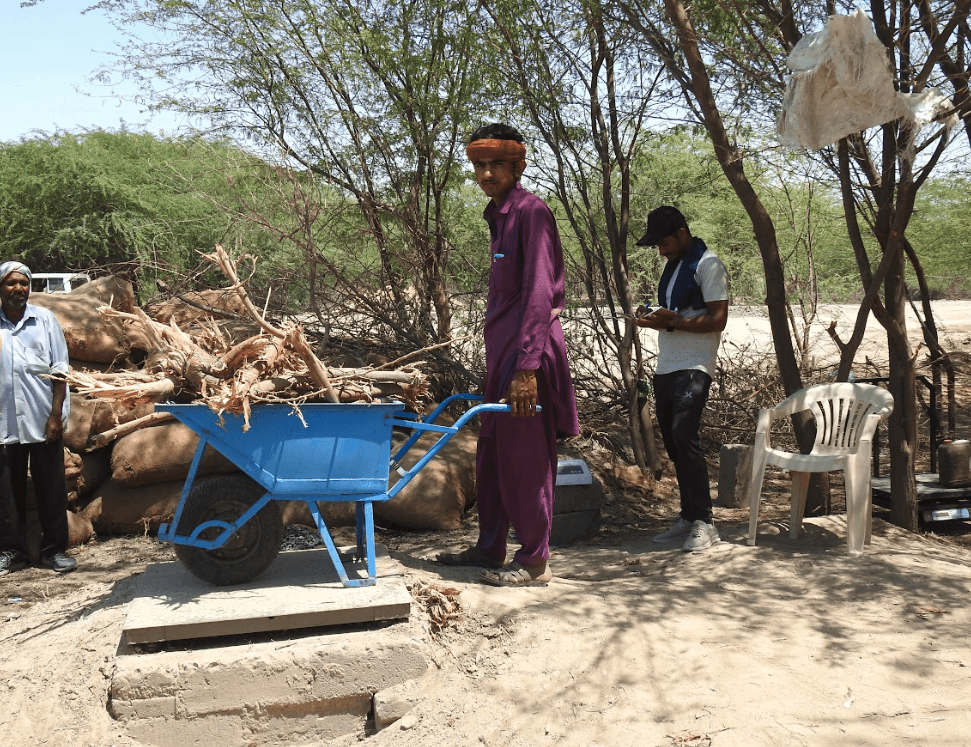
In September 2025, the Varaha team conducted an impact assessment to measure the co-benefits of the biochar project. Some key metrics include:
9,572 - Smallholders engaged
236 - Communities engaged
462 - Full-time jobs created
9,572 ha of grassland restored through the excavation of the invasive species, and / or application of biochar onto the grassland
47,862 tonnes of biochar applied


The project aims to capture carbon from biomass , enabling durable carbon removal, with large volumes of CO₂ permanently sequestered. Over the first five years, the project is expected to sequester approximately 690,825 tonnes of CO₂ equivalent, averaging 138,165 tonnes CO₂eq per year.
About
Live
2025
Carbon removal
13
Fund this project
Funded directly through our Carbon removal through biochar in our marketplace. Alternatively speak to a climate expert to support your wider climate action strategy.
Impact partner

Varaha is a leading global climate tech startup that specialises in nature-based solutions, including regenerative agriculture, agroforestry, and biochar projects that promote climate adaptation, biodiversity, water conservation and increased income for smallholder land stewards.
Verifications
Global Artisan C-Sink
The Global Artisan C-Sink Standard is for producing, processing, and applying biochar in agriculture. The standard guarantees that the biomass feedstock is sustainably produced in an artisan way, reducing emissions in the production process of biochar. All aspects of the biochar’s quality are monitored and documented.